

BUILT FOR ATTENTION.
The Colosseum Playbook: What Ancient Rome Can Teach Us About Modern Marketing
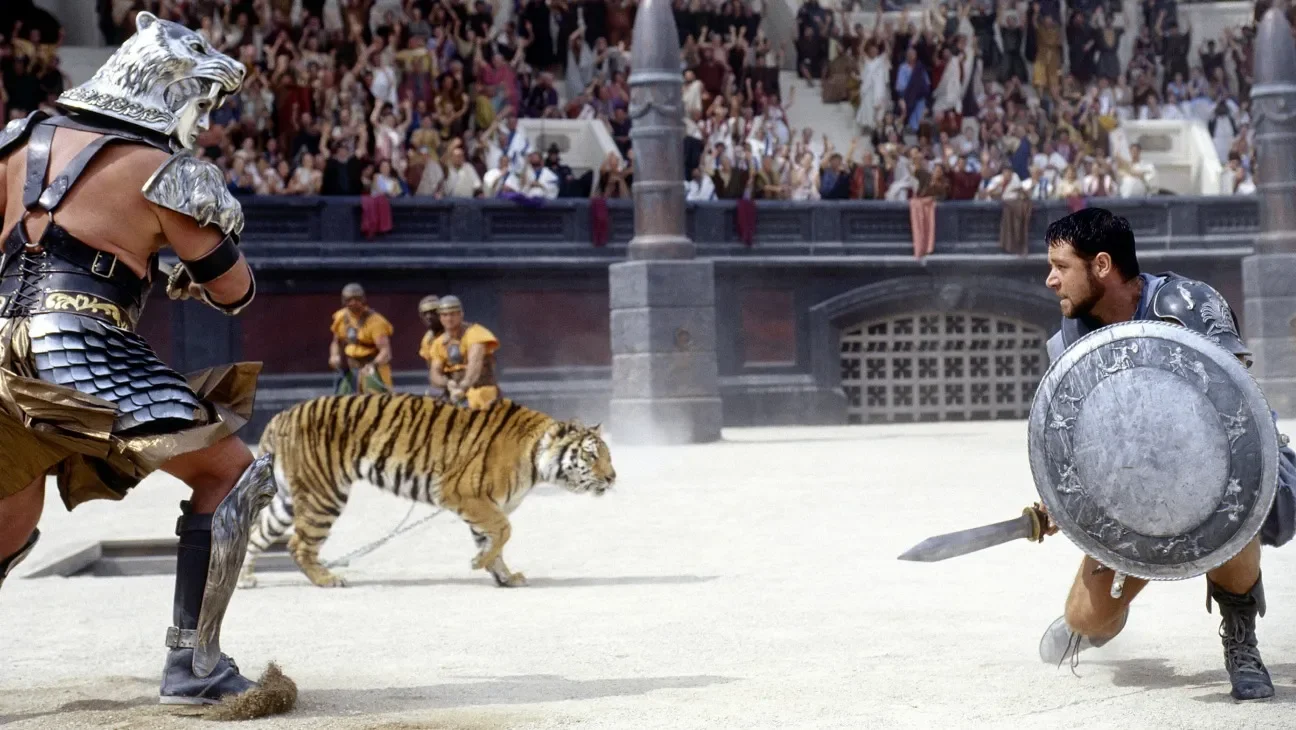
Credit: Gladiator (the movie) 2000
When we think about marketing strategy, we often think about algorithms, digital ads, and social media.
But long before Instagram, television, or even print advertising, one empire understood the power of attention better than anyone else: Ancient Rome.
The Colosseum, completed in 80 AD, wasn’t just an architectural wonder or a venue for entertainment. It was one of the earliest and most powerful examples of mass marketing in history.
At Mint, we like to say that marketing evolves — but human psychology doesn’t.
And the Romans understood that better than most modern brands.
The Power of Mass Attention.
At its peak, the Colosseum could hold around 50,000 spectators.
In a time without television or the internet, that level of scale was extraordinary. Entire communities gathered in one place to experience the same event at the same moment.
That’s the same principle brands chase today.
From the Super Bowl to viral social media moments, marketers are still trying to capture what the Romans mastered centuries ago: mass attention.
Because attention has always been the most valuable currency.
Removing Friction.
Most events in the Colosseum were free to attend.
Emperors funded games to win public support and strengthen their reputation. By eliminating barriers to entry, they ensured maximum attendance and engagement.
Modern marketers do the same thing today.
Free trials. Free webinars. Free content.
These are all strategies designed to reduce friction and bring people into the experience — the same tactic Rome used thousands of years ago.
Emotion Drives Engagement.
Gladiator battles weren’t random spectacles.
They were carefully designed experiences filled with drama, heroes, villains, and suspense.
Sound familiar?
Great marketing campaigns today rely on the exact same structure. Emotional storytelling keeps people engaged far longer than information alone.
Whether it's a cinematic Super Bowl commercial or a viral social media video, brands that evoke emotion are the ones that get remembered.
The Early Version of Sponsorship.
Gladiators were the celebrities of their time.
Many were sponsored or funded by wealthy elites who wanted their names associated with victory, strength, and spectacle.
In other words, the Romans understood influencer marketing long before the term existed.
Today’s brand partnerships with athletes, creators, and celebrities follow the same basic principle: associate your brand with someone people admire and trust.
Social Proof at Scale.
Imagine standing in a stadium of 50,000 cheering spectators.
That level of collective excitement creates a powerful psychological effect: if everyone else is watching, it must be worth watching.
That’s the foundation of social proof.
Modern marketing replicates this through reviews, testimonials, user-generated content, and viral engagement. When people see others paying attention, they’re more likely to join in.
The Romans simply did it with a crowd.
Consistency Builds Loyalty.
The Colosseum games weren’t a one-time event.
They happened repeatedly, building anticipation and habit among the public. People returned again and again because the experience became part of the culture.
In marketing terms, this is consistency.
Brands that show up regularly — through content, campaigns, and storytelling — stay top of mind. One big moment can create attention, but sustained presence creates loyalty.
The Lesson for Modern Brands.
Technology changes. Platforms evolve. Algorithms come and go.
But the principles that drive attention remain remarkably consistent.
Ancient Rome understood several truths that still define successful marketing today:
Capture attention at scale
Remove barriers to participation
Use emotion to drive engagement
Associate with influential figures
Leverage social proof
Show up consistently
The tools have changed. The psychology hasn’t.
Culture Has Always Driven Marketing.
At Mint Marketing Group, we often explore how cultural moments — from the Olympics to presidential campaigns to ancient history — reveal timeless marketing strategies.
Because great marketing doesn’t exist in a vacuum.
It’s rooted in human behavior, storytelling, and shared experiences.
And sometimes, the best marketing lessons aren’t found in the latest platform or trend.
Sometimes, they’re found 2,000 years in the past.